
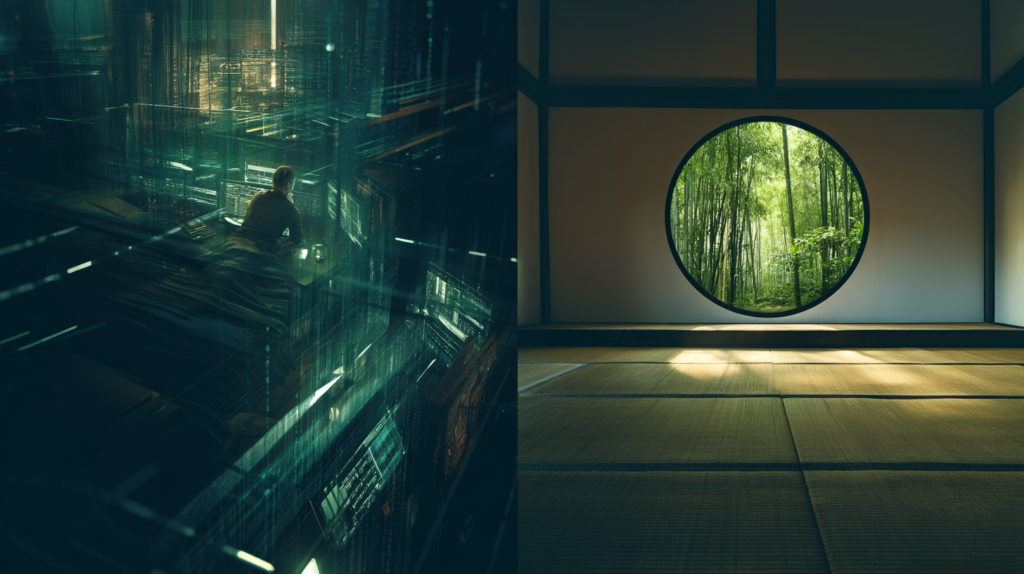
The Luxury of Disconnecting: Finding Stillness in an Always-On World
🌍 The World: The Epidemic of Constant Connection
In an era where our smartphones buzz with notifications before we even open our eyes, humanity is facing an unprecedented crisis of sensory overload. According to global health reports, the constant barrage of digital information is keeping our autonomic nervous system1 in a perpetual state of “fight or flight.” This chronic hyper-arousal leads to profound digital fatigue, disrupting our sleep architectures and draining our cognitive reserves.
As a countermeasure, the concept of Neuro-Wellness2 has emerged at the forefront of the global health economy. Silicon Valley executives and top-tier performers are no longer simply seeking physical rest; they are investing heavily in protocols designed to silence the mind. Yet, while modern science is just beginning to formulate expensive solutions for this modern epidemic, the ultimate answer may lie in a centuries-old tradition preserved in the deep mountains of Japan.

🇯🇵 Japan: “Shukubo” and the Detoxification of the Five Senses
Long before the invention of the internet, Japanese Buddhist monks perfected the art of sensory detoxification. “Shukubo” (traditional temple lodgings), originally reserved for ascetic monks and weary pilgrims, have now opened their doors to modern seekers of silence. Stepping into a Shukubo is not merely about finding a place to sleep; it is a profound architectural and spiritual mechanism designed to reset the human nervous system.
In these sacred spaces, the visual noise of the modern world is replaced by the minimalist geometry of tatami mats and shoji screens. The incessant hum of traffic fades into the rhythmic sweeping of Zen gardens and the distant resonance of temple bells. Meals consist of Shojin Ryori3—traditional Buddhist vegetarian cuisine that forces you to slow down and truly taste the natural essence of each seasonal ingredient. This immersive environment systematically strips away digital dependencies, allowing the overstimulated brain to finally power down and experience true restoration.
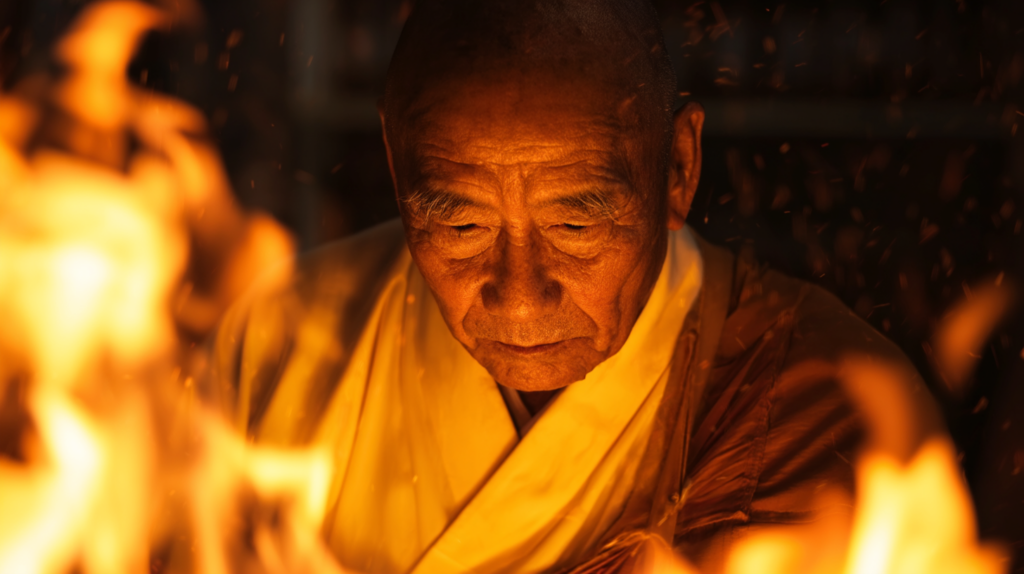
🤖 The Accelerating World and the Need for Analog Stillness
As Artificial Intelligence accelerates the pace of society, processing millions of data points per second without fatigue, the volume of information we must handle will only multiply. However, analyzing human biology reveals a profound vulnerability: the human brain was simply not designed to process this relentless stream of global data.
In a world where AI handles speed and efficiency, the human mind desperately needs the exact opposite: analog stillness. Taking time to sit in silence, focusing purely on breathing or a single physical task, is no longer a spiritual luxury—it is a critical survival skill for the 21st century.
The Ultimate Preparation for the Future
We now understand that true rest requires more than just closing our eyes; it requires a deliberate deceleration of our sensory intake. But what if you cannot immediately travel to the remote mountains of Kyoto or Koyasan to experience a Shukubo? Is it possible to recreate this profound sensory detoxification within the walls of your own modern apartment?
Selected References
- autonomic nervous system:
The part of the nervous system responsible for control of bodily functions not consciously directed, such as breathing, heartbeat, and digestive processes. Easily disrupted by chronic digital stress.↩︎ - Neuro-Wellness:
An evolving field of health focusing on optimizing brain health, regulating the nervous system, and reducing cognitive stress through scientific and lifestyle interventions.↩︎ - Shojin Ryori:
Traditional Japanese Buddhist vegetarian cuisine, prepared without meat or fish, focusing on bringing out the natural flavors of seasonal vegetables through mindful preparation.↩︎
Disclaimer The information provided in this article is for educational and informational purposes only. It does not constitute medical advice. Readers should consult with qualified healthcare professionals before making significant changes to their wellness routines.
– The World Seen by a Japanese and AI –